TSH (Thyroid Stimulating Hormone) Blood Test
 89129AED 40 off30 min
Product features
- Gold Standard First-Line Screening for Thyroid Health
- Highly Sensitive Quantitative Chemiluminescent Immunoassay (CLIA)
- Identifies Primary & Subclinical Hypothyroidism and Hyperthyroidism
- Detects Hormonal Causes of Unexplained Fatigue, Weight Fluctuations & Low Energy
- No Fasting Required Prior to Sample Collection
- Fast Results Delivered in Just 4 to 6 Hours
- Convenient Home Venous Blood Draw by DHA-Licensed Nurses
- Digital PDF Lab Report Delivered Directly to Your Touch Connect App
Author Details
Written By
Dr. Vikram Singh
MD (General Medicine)
Supervised By
Dr. Meera Nair
MD (Pathology)
- Thyroid Stimulating Hormone (TSH): Produced by the anterior pituitary gland to stimulate the thyroid gland to produce and secrete thyroxine (T4) and triiodothyronine (T3).
- High TSH (>4.0 mIU/L): Indicates an underactive thyroid (hypothyroidism)—the pituitary sends extra hormone signals to stimulate a struggling thyroid, typically presenting with sluggishness, weight gain, cold intolerance, brain fog, and low drive.
- Low TSH (<0.4 mIU/L): Indicates an overactive thyroid (hyperthyroidism)—excess circulating thyroid hormones signal the pituitary to halt TSH production, often causing palpitations, anxiety, unintended weight loss, and tremors.
- Clinical Reference Range (Adults): 0.4 – 4.0 mIU/L
- Thyroid Stimulating Hormone (TSH): Produced by the anterior pituitary gland to stimulate the thyroid gland to produce and secrete thyroxine (T4) and triiodothyronine (T3).

TSH (Thyroid Stimulating Hormone) Blood Test
Your master metabolic regulator. The TSH (Thyroid Stimulating Hormone) blood test measures the pituitary hormone controlling thyroid activity, serving as the definitive first-line screen to detect an underactive (hypothyroidism) or overactive (hyperthyroidism) thyroid. Essential for evaluating persistent fatigue, sluggish metabolism, unexpected weight changes, mood dips, and low libido
Trending Lab Tests24
Nowadays Most Common in Demand
 1099
 1299
 249
 599
 1999
 999
 2999
 499
 1399
 749
 749
 1188
 619
 149
 799
 449
 3100
 1299
 299
 249
 1549
 1549
 619
 499
Parameters Measured
- Thyroid Stimulating Hormone (TSH): Produced by the anterior pituitary gland to stimulate the thyroid gland to produce and secrete thyroxine (T4) and triiodothyronine (T3).
- High TSH (>4.0 mIU/L): Indicates an underactive thyroid (hypothyroidism)—the pituitary sends extra hormone signals to stimulate a struggling thyroid, typically presenting with sluggishness, weight gain, cold intolerance, brain fog, and low drive.
- Low TSH (<0.4 mIU/L): Indicates an overactive thyroid (hyperthyroidism)—excess circulating thyroid hormones signal the pituitary to halt TSH production, often causing palpitations, anxiety, unintended weight loss, and tremors.
- Clinical Reference Range (Adults): 0.4 – 4.0 mIU/L.
When to Test it?
- Persistent lethargy, chronic daytime fatigue, or morning sluggishness
- Unexplained weight gain or difficulty losing weight despite diet and exercise
- Sudden unintended weight loss, resting rapid heartbeat, or heat sensitivity
- Mood changes, depression, brain fog, or low motivation
- Low libido, erectile issues, or fertility evaluation in men and women
- Irregular, heavy, or missed menstrual cycles in women
- Dry skin, thinning hair, or brittle nails
- Routine baseline monitoring for patients on thyroid medication (Levothyroxine
Doctor Recommended Checkups


We take all safety and hygiene measures to keep our customers safe
You can access your health records online and download them all at one place
Experienced doctors now available for both Online and Walk In consultations
Our prices for doctor consultations and diagnostics are the best in the business
Author Details
Written By
Dr. Vikram Singh
MD (General Medicine)
Supervised By
Dr. Meera Nair
MD (Pathology)
Ratings & Reviews
No reviews yet. Be the first to rate this service.




Download our app!
Download Touch Connect app.
#1 healthcare app, at your fingertips
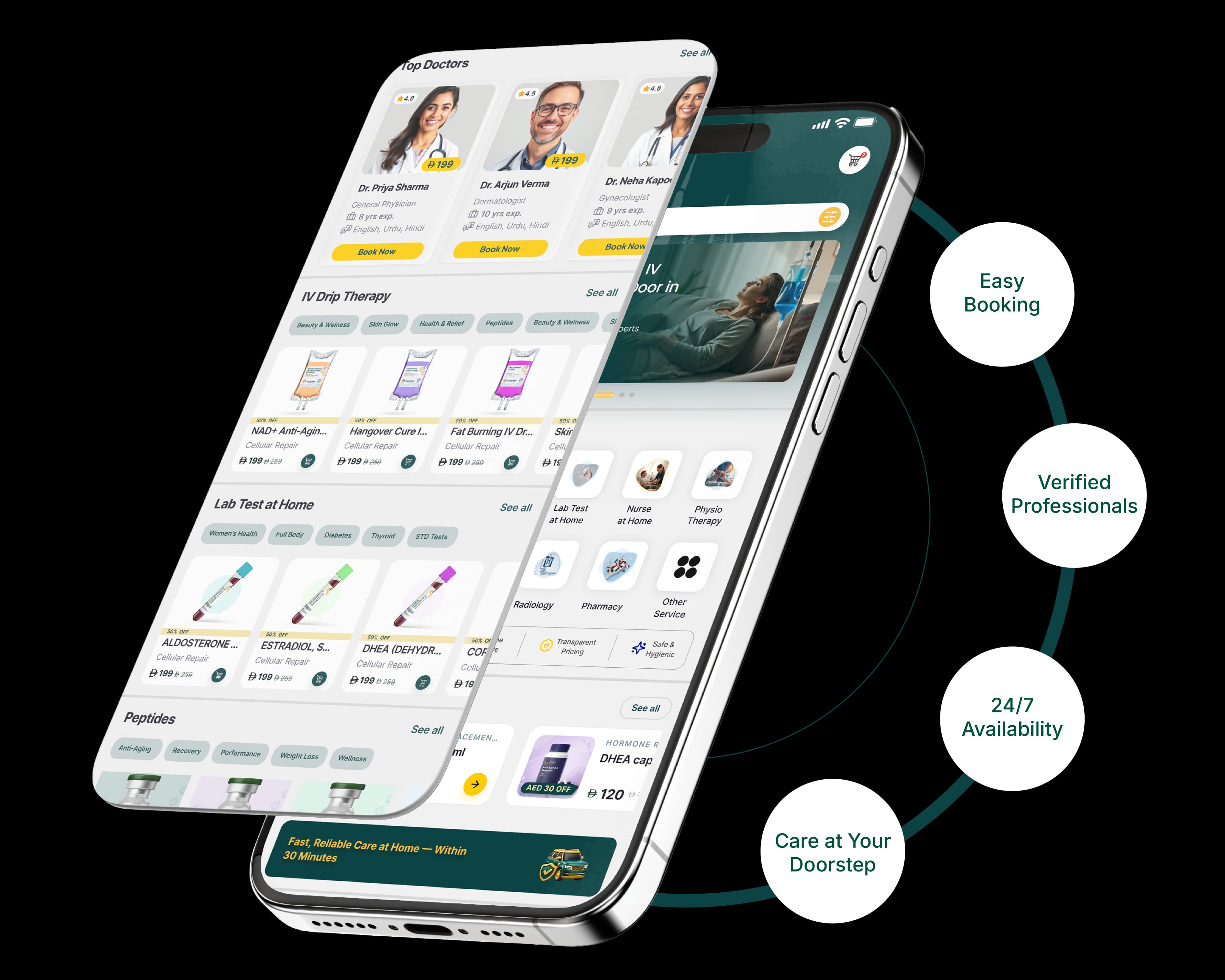
Book doctor at home, iv drips, lab test, physiotherapy and much more. AI power health insights